design
Doing It Again in Red: Objects Recount the Years
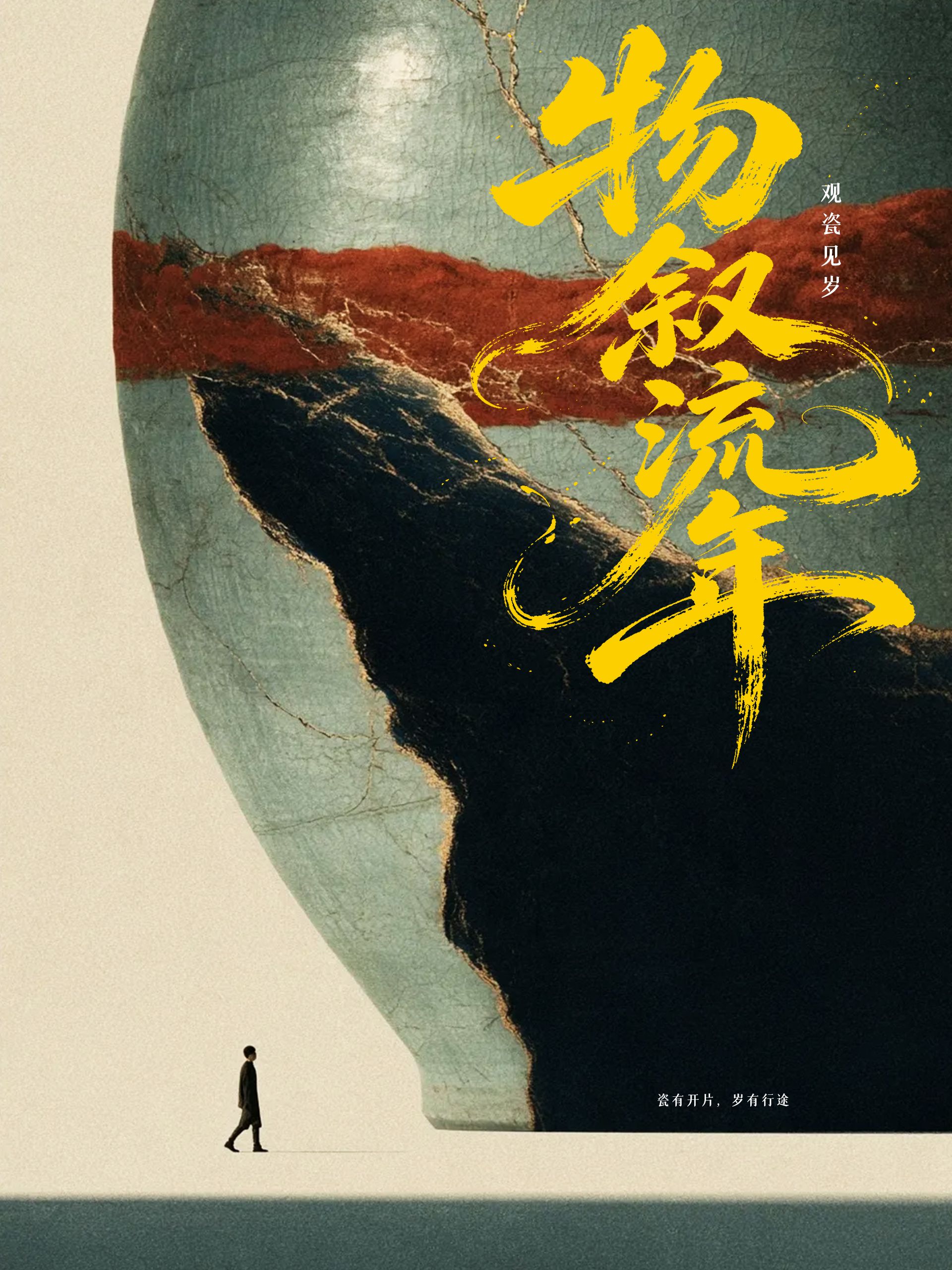
The first version was elegant and slightly dead. Three weeks later we rebuilt it in colour — porcelain cracks, wood grain, bamboo weave, and a red line we kept by accident.
The first version of this series is a set of silhouettes: near-black objects on bone-white paper, gold type down the right side. I still like them. But a week after we finished, I could describe all four posters from memory, and that is usually a bad sign.
An old object is not a shape. It is a material that has been used. The glaze that cracked in one direction, the rim worn thin on one side, the shine that only appears where hands went.
What a silhouette throws away
This is the list we wrote on the wall before starting the second version:
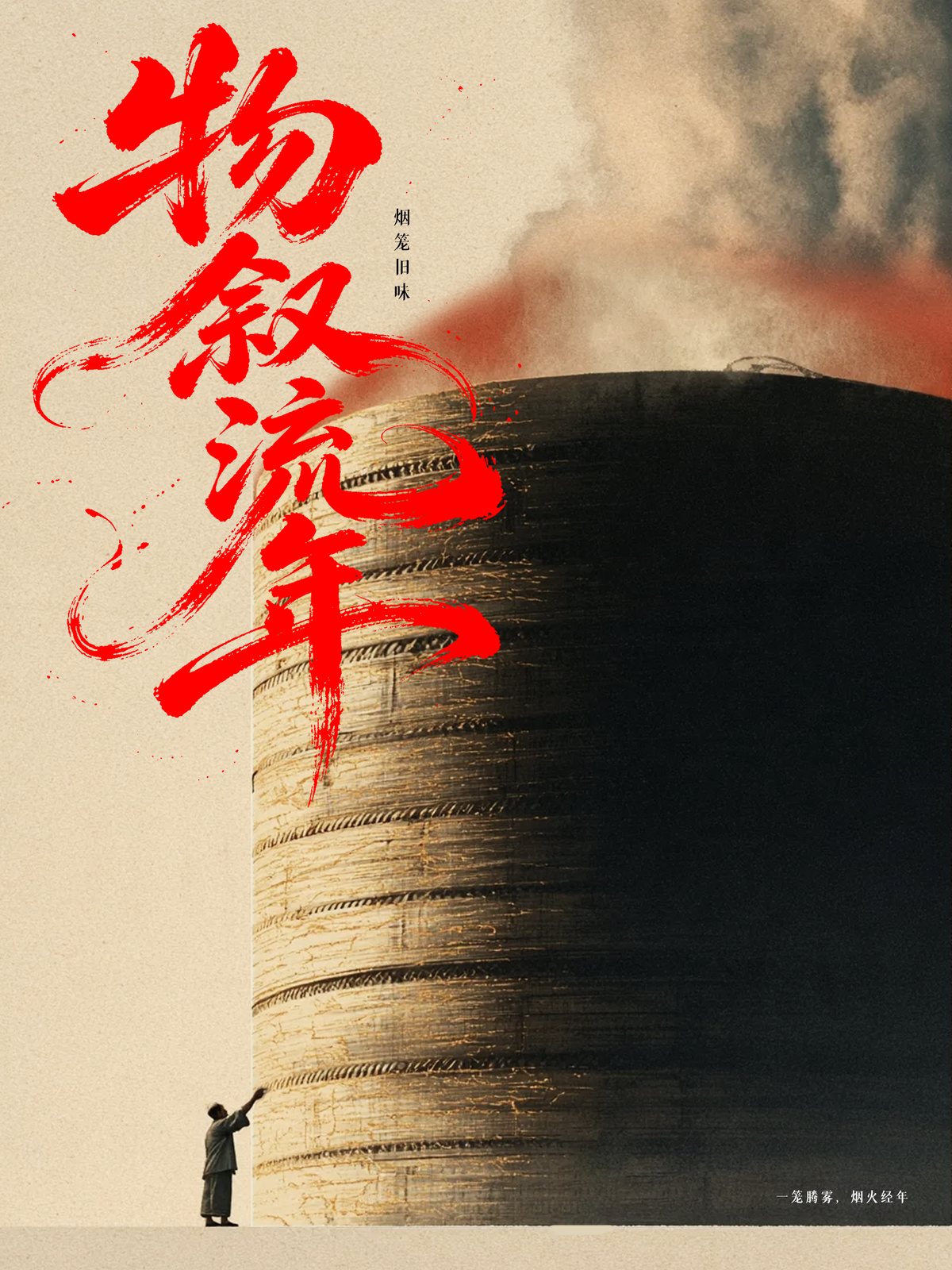
- The steamer: bamboo weave, and the band two fingers below the rim where steam darkened it over years.
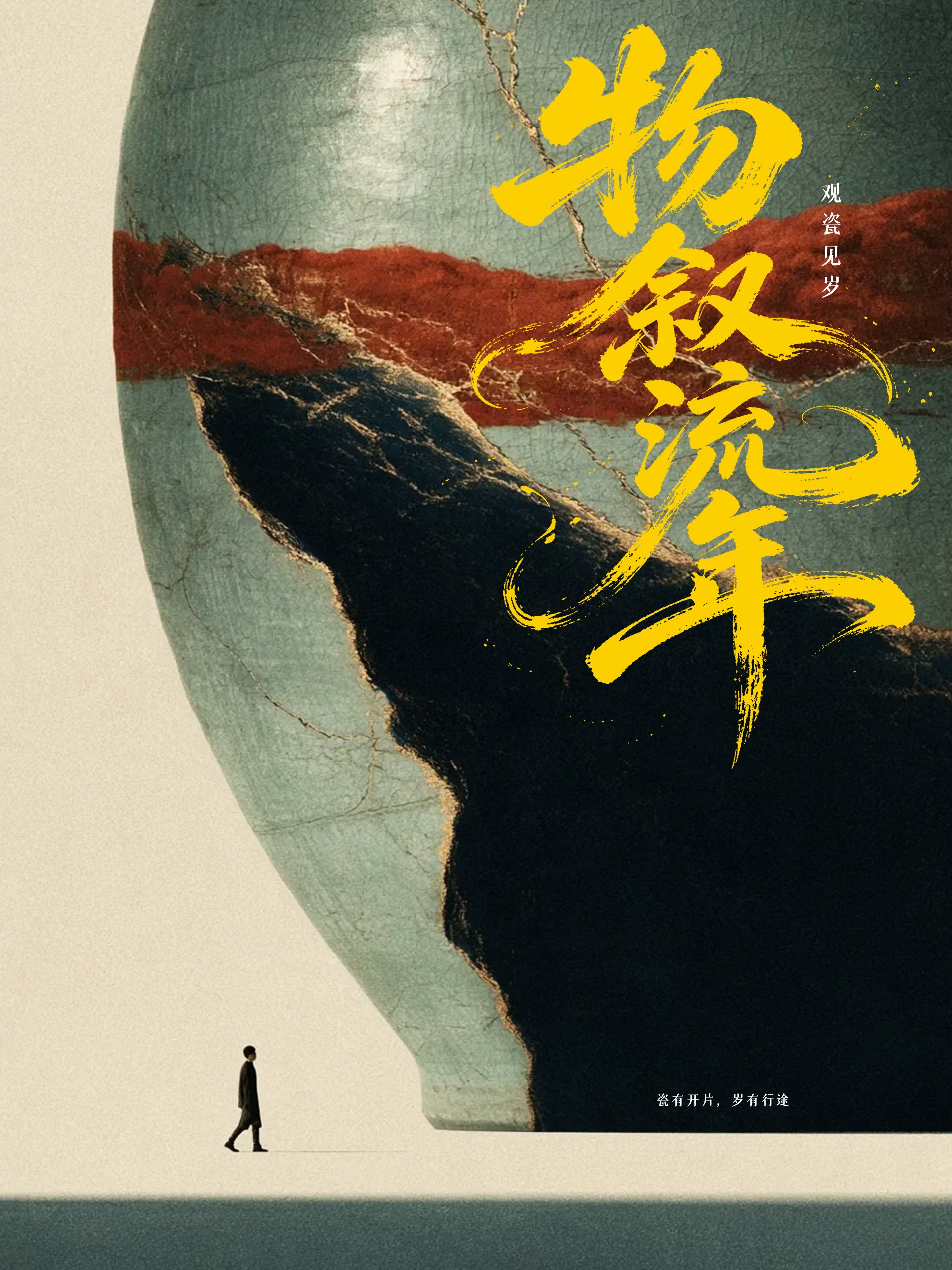
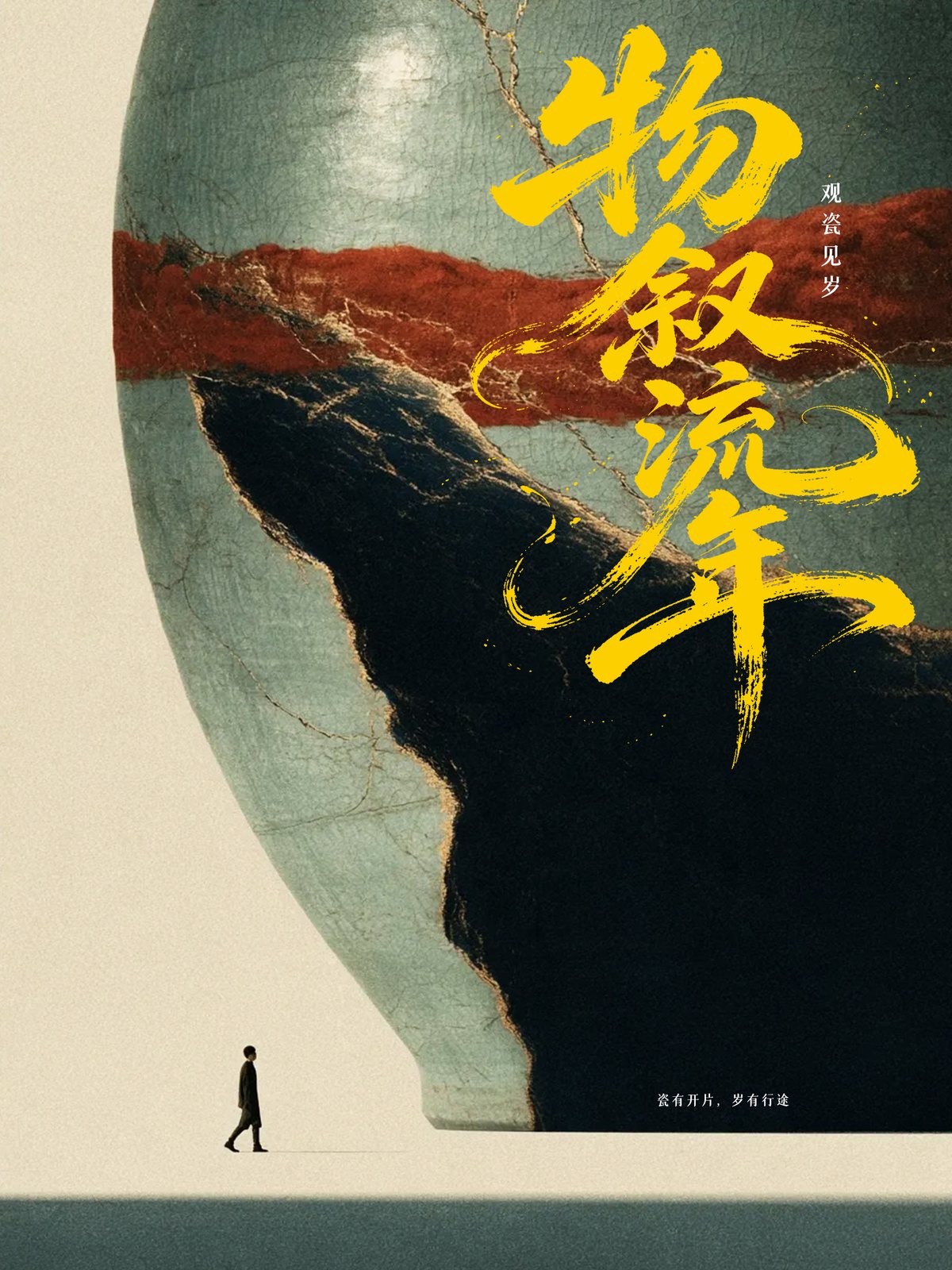
- The porcelain: a crackle glaze where one crack stops halfway and never continues.
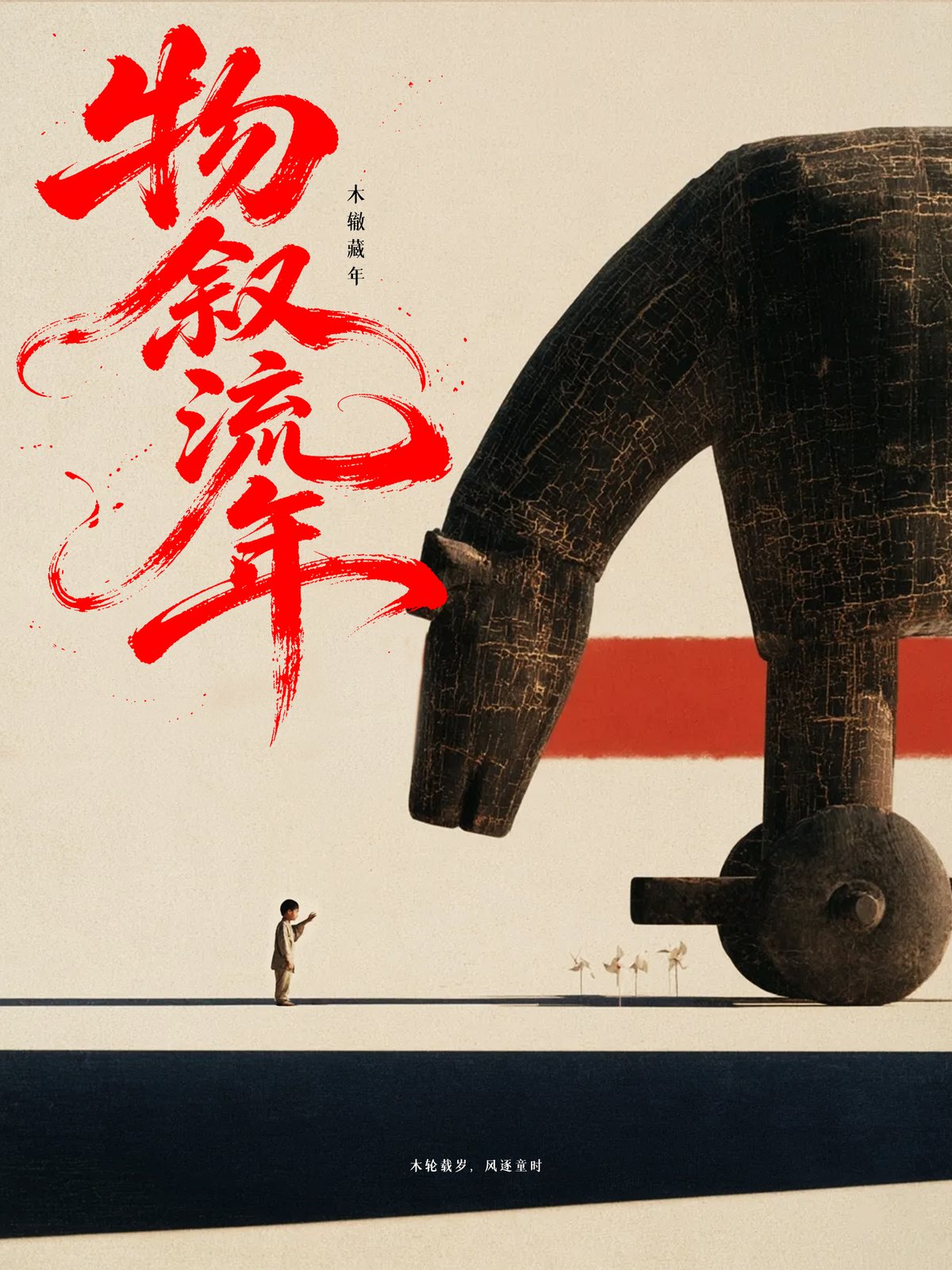
- The toy horse: paint chipped off the nose, and a wheel worn flat on one edge.
- The fan: dust sitting in the folds, in a line, not evenly.
None of it fits inside a black shape. That was the whole problem, and it took a second series to admit it.
Red, and why it is not festive
We changed the type from gold to red. On paper red is louder, but this red is closer to cinnabar than to a holiday: darker, a little brown, the colour of a seal pressed twice in the same place.
It also behaves differently. Gold sits at the top of a picture and stays there. Red falls. Your eye goes from the characters down through the object and lands on the person, which is the order we wanted.
The fan poster is the one where the red does the most work. There is a warm light behind the paper, and it spills out under the ribs like something being poured.
A folding fan is a tool for moving air. Rendered at this size, half-open in the dark, it looks more like an instrument — something that measures time instead of cooling a room.
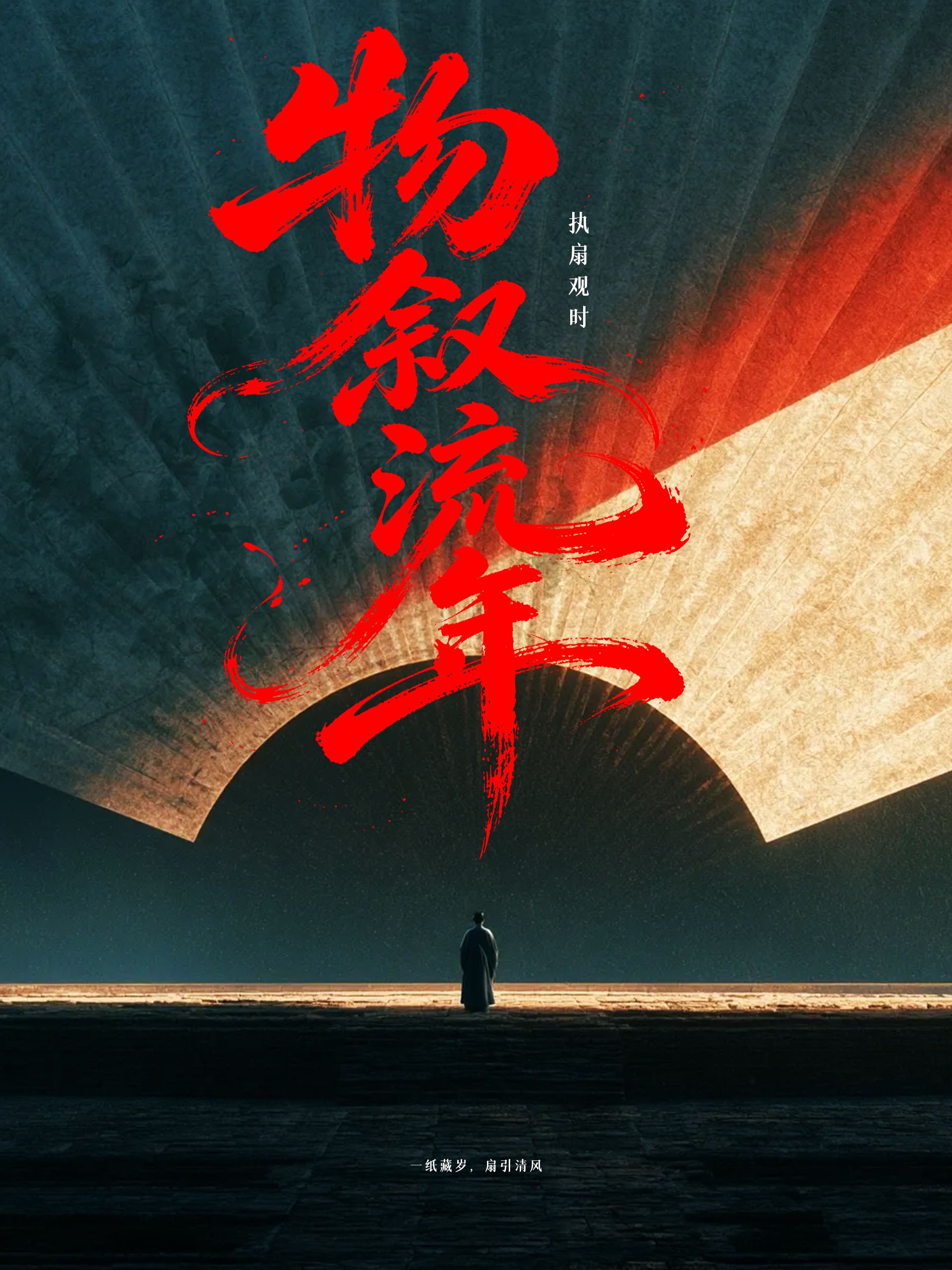
We kept the object in colour so the person could stay black. That is the whole trade.
The line that was supposed to be temporary
There is a horizontal red band behind the vase, behind the fan, behind the horse. It started as a registration mark — a strip I put into the file to check where the object sat against the horizon, the way you check a print. I turned that layer off once and the picture went flat.
So it stayed. In the steamer poster it becomes smoke. On the porcelain it is a seam that the crack crosses and interrupts. Same line, four different jobs, and no viewer has ever asked what it is.
The boy and the horse
The wooden toy horse is the only object in the set a child could actually own. So the figure in that poster is a child: reaching up, not touching. Behind him, four small paper pinwheels planted in the ground.
We argued about those pinwheels for an hour. They are sentimental, and sentiment is a thing you have to earn. They stayed because they do two jobs nothing else in the frame does: they say the light is late afternoon, and they say the air is moving.
What we would still change
The fan is too symmetrical. A fan half-open should lean, and this one sits almost centred, which makes the poster more polite than the object deserves.
The smoke on the steamer is a little too red. I know why it happened — we matched it to the type — but smoke is grey, and the picture would be better if it admitted that.
The four posters are on the Objects Recount the Years case page. The first, gold version is written up separately: Objects Narrate the Years. Everything else is in the archive.